Follow India Renewable Energy News on WhatsApp for exclusive updates on clean energy news and insights
India Targets 1,121 GW Power Capacity by FY36 as Demand Set to Surge
Mar 20, 2026
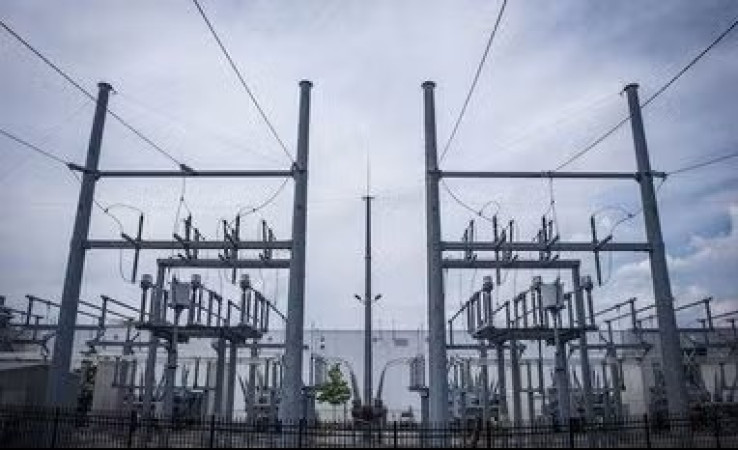
India is preparing for a massive expansion in its power sector, with plans to nearly double installed capacity to 1,121 GW by FY2035-36. The move comes in response to a sharp rise in electricity demand, which is projected to reach 459 GW—up significantly from around 250 GW in 2024-25—according to the government’s national generation adequacy plan.
Electricity consumption is expected to grow steadily at a compound annual rate of 5.58%, with total energy requirements estimated to touch 3,365 billion units (BU) by FY36. This growth will be driven by factors such as industrial expansion, rapid urbanisation, increasing electrification, the rise of data centres, and demand from emerging sectors like green hydrogen.
Speaking at the Bharat Electricity Summit 2026 in New Delhi, Prime Minister Narendra Modi invited global investors to participate in India’s energy transformation, highlighting the need for large-scale investments to modernise the country’s power infrastructure and support future growth.
A major portion of the planned capacity expansion will come from clean energy sources. Non-fossil fuel-based capacity is expected to reach 786 GW, accounting for nearly 70% of the total energy mix—up from about 52% currently. Solar power is projected to lead this transition with an estimated 509 GW capacity, followed by wind at 155 GW and hydropower at 77 GW.
Despite this shift, coal is expected to remain a key contributor to electricity generation, providing stability to the grid. Coal-based generation is projected to account for around 1,819 BU, or roughly 51% of total power output by FY36.
Power Secretary Pankaj Agarwal highlighted the scale of investment required, estimating that India’s power sector will need around $2.2 trillion over the next two decades. He also noted that the country is developing one of the world’s largest synchronised power grids, supported by policy clarity, innovation, and infrastructure expansion.
Looking ahead, energy storage systems are expected to play a critical role in managing the variability of renewable energy sources, ensuring grid stability as India continues its transition towards a cleaner and more resilient power system.
Related News
Delhi Needs Faster Rooftop Solar and Battery Storage…
Delhi will need to accelerate the deployment of rooftop solar, battery energy storage,…
NHPC Strengthens Clean Energy Portfolio with 40-Year…
NHPC Limited has signed a long-term Power Purchase Agreement (PPA) with Chhattisgarh…
REC Commits Rs 5,000 Crore to Boost Renewable Energy…
REC Ltd. has signed a Memorandum of Understanding (MoU) with the Tripura Renewable…