Follow India Renewable Energy News on WhatsApp for exclusive updates on clean energy news and insights
Iran Conflict May Accelerate Clean Energy Push, But Coal Could Also See Resurgence
Mar 17, 2026
The ongoing tensions linked to Iran are disrupting global oil and gas supplies, driving up energy prices and forcing countries to reassess their energy strategies. While many environmental advocates see this as an opportunity to accelerate the transition toward renewable energy, experts caution that the actual outcomes may be mixed.
Rising fuel costs could encourage several nations—particularly in Europe and Asia—to expand investments in renewable sources such as wind, solar, and battery storage. Similar trends were observed after the Russia-Ukraine war, when countries sought to reduce dependence on imported fossil fuels. Higher oil prices may also make electric vehicles more economically attractive in markets ranging from Brazil to the United States.
According to Simon Stiell of the United Nations, the crisis highlights how reliance on fossil fuels exposes economies to geopolitical risks. He emphasized that expanding renewable energy capacity remains a key pathway to long-term energy security.
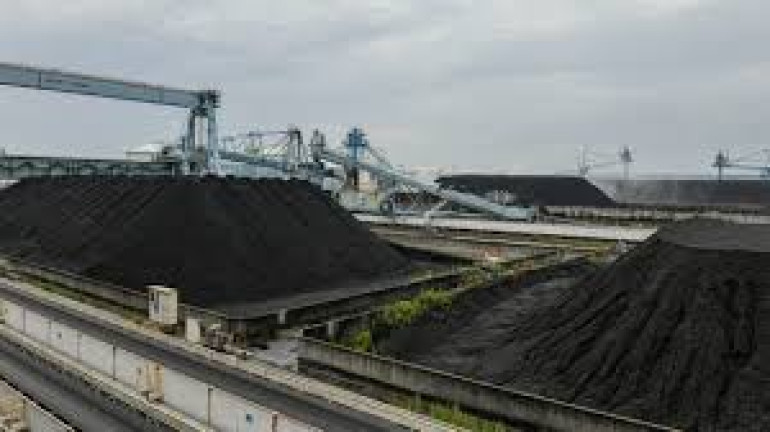
However, the response is unlikely to be uniform. Some countries may turn to more readily available and cheaper energy sources like coal or increase imports of natural gas, particularly from the United States, which has become a leading exporter of liquefied natural gas. Analysts warn that if the conflict leads to higher interest rates, it could also slow down renewable energy investments by increasing financing costs.
Energy experts such as David Victor note that the crisis is prompting varied responses globally, as nations balance climate goals with immediate energy security needs. Similarly, Jason Bordoff points out that countries with abundant domestic coal reserves—such as India, Indonesia, and China—may prioritize coal due to its availability and reliability.
At the same time, renewable energy continues to gain traction. Research from BloombergNEF suggests that solar power and battery storage could benefit from the current situation, especially as their costs continue to decline. Yet, challenges such as grid constraints, land availability, and regulatory hurdles remain significant barriers in regions like India and across Europe.
Nuclear energy is also re-emerging as an option in some countries. For instance, Japan has been gradually restarting nuclear plants that were shut down after the Fukushima nuclear disaster, a move that could reduce dependence on imported gas.
The evolving situation underscores a broader shift in global energy priorities. While climate change mitigation remains important, many countries are increasingly focusing on securing reliable, domestically available energy sources—whether renewable or fossil-based.
As a result, the long-term impact on global emissions remains uncertain. The crisis could accelerate clean energy adoption in some regions while reinforcing fossil fuel use in others, highlighting the complex and often conflicting dynamics shaping the global energy transition.
Related News

International Solar Alliance Seeks Consultants to…
The International Solar Alliance (ISA) has invited bids from eligible consulting…
Hinduja Renewables Crosses 4 TWh Green Power Generation…
Hinduja Renewables Energy Private Limited (HREPL), the renewable energy arm of the…

Mahavitaran CMD Lokesh Chandra Honoured for Driving…
Lokesh Chandra, Chairman and Managing Director of Maharashtra State Electricity…