Follow India Renewable Energy News on WhatsApp for exclusive updates on clean energy news and insights
Rising Fuel Costs and Global Disruptions Push India Toward Faster Electrification
Mar 30, 2026
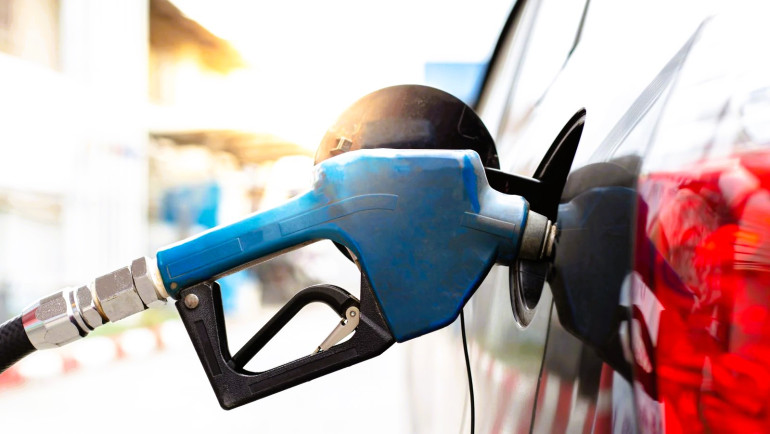
India’s growing oil and gas import bill—estimated at around $140 billion annually—along with repeated global supply shocks is accelerating the country’s shift toward electrification as a core energy strategy. Recent geopolitical disruptions, including tensions around Russian oil supplies and the Iran conflict, have exposed vulnerabilities in India’s reliance on imported hydrocarbons.
A report by Bernstein highlights that India’s energy security has faced consecutive stress events, underscoring the urgency for structural transformation. With limited domestic oil and gas reserves but strong availability of coal and solar resources, electrification is increasingly seen as the most viable long-term solution.
The report emphasises that electrification is no longer a gradual transition but an immediate priority to reduce exposure to volatile global fuel markets. It calls for a balanced policy approach that includes expanding thermal and nuclear power alongside strengthening renewable energy, storage systems, and grid infrastructure.
Demand patterns are also supporting this shift. Historically, electricity consumption grew at a slower pace than the economy, but it is now expected to closely align with GDP growth. The International Energy Agency projects that India’s power demand will grow at a compound annual rate of 6.4?tween 2025 and 2030.
Emerging sectors are playing a significant role in driving this demand. Data centres, electric vehicles, increased appliance usage, and rising cooling needs are expected to contribute substantially. Data centres alone could account for 2–3% of total electricity demand by 2030, potentially increasing to around 4% by 2035.
This evolving demand landscape is also influencing how new capacity is added. While renewable energy remains a key pillar, the need for reliable, round-the-clock supply is driving investments into thermal power, battery storage, and nuclear energy. Hybrid systems, combining solar with storage solutions such as batteries or pumped hydro, are expected to become more prominent to address intermittency challenges.
According to Bernstein, India may witness a strong capacity addition cycle, with nearly 60 GW expected to be added in FY26—significantly higher than historical averages. This could include 35–40 GW of renewable capacity annually, 10–15 GW of battery storage, and around 7 GW of thermal capacity. However, challenges such as land acquisition and transmission infrastructure readiness may impact the pace of renewable expansion.
Industry leaders stress the importance of a diversified approach. Ratul Puri, Chairman of Hindustan Power, noted that electricity will play a central role in India’s economic growth and highlighted the need to prioritise domestic energy resources while expanding capacity across the energy mix.
Overall, the convergence of rising demand, global uncertainties, and resource constraints is pushing India to accelerate its electrification journey, positioning it as a key pillar of long-term energy security and economic resilience.
Related News

International Solar Alliance Seeks Consultants to…
The International Solar Alliance (ISA) has invited bids from eligible consulting…
Hinduja Renewables Crosses 4 TWh Green Power Generation…
Hinduja Renewables Energy Private Limited (HREPL), the renewable energy arm of the…
Mahavitaran CMD Lokesh Chandra Honoured for Driving…
Lokesh Chandra, Chairman and Managing Director of Maharashtra State Electricity…