Follow India Renewable Energy News on WhatsApp for exclusive updates on clean energy news and insights
China Challenges India’s Solar Support Measures at WTO
Dec 20, 2025
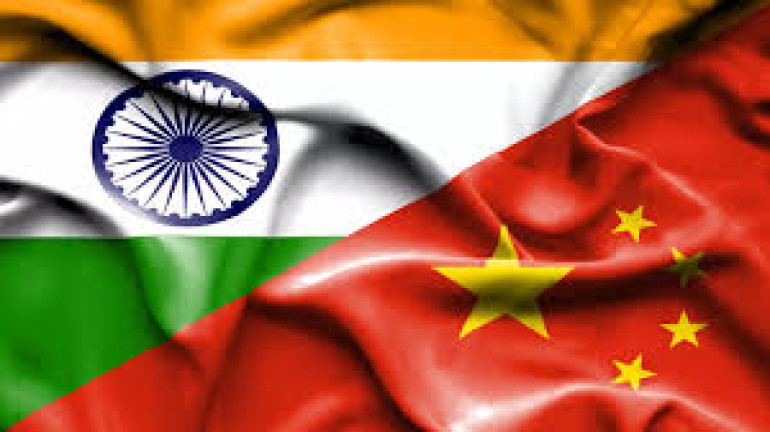
China has initiated dispute proceedings against India at the World Trade Organization (WTO), contesting New Delhi’s subsidy framework for the solar photovoltaic sector. Beijing has alleged that the incentives provide Indian manufacturers with an unfair competitive edge and adversely affect Chinese industry interests.
According to a spokesperson from China’s Ministry of Commerce, the country has formally requested consultations at the WTO regarding India’s solar-related subsidy programmes. China contends that certain measures linked to import substitution breach India’s commitments under WTO agreements, which prohibit subsidies that favour domestic products over imports.
The spokesperson said the WTO filing is part of China’s broader efforts to protect what it described as the “legitimate rights and interests” of its domestic industries. The official also urged India to comply with its WTO obligations and withdraw measures that China considers inconsistent with multilateral trade rules.
This marks the second clean energy–related dispute raised by China against India at the WTO within a span of two months. In October, China had filed a separate complaint arguing that India’s subsidies for electric vehicles and battery manufacturing potentially violate multiple WTO provisions, including the national treatment principle, which restricts the use of internal measures designed to shield domestic producers.
China has maintained that the national treatment obligation under WTO rules serves as a broad prohibition on internal taxes and regulatory actions intended to protect local manufacturing at the expense of foreign suppliers.
Trade frictions between the two countries over clean energy policies are not new. In 2023, China raised a Specific Trade Concern at the WTO over India’s Approved List of Models and Manufacturers (ALMM) policy, which mandates the use of domestically manufactured solar modules for projects across the country. China has argued that the ALMM framework acts as a trade barrier by effectively excluding Chinese suppliers from the Indian market.
Despite these disputes, India and China have aligned positions on certain global trade issues. Both countries have jointly expressed concerns at the WTO over the European Union’s Carbon Border Adjustment Mechanism, which seeks to levy tariffs on carbon-intensive imports, warning that the measure could unfairly impact developing economies.
Related News

International Solar Alliance Seeks Consultants to…
The International Solar Alliance (ISA) has invited bids from eligible consulting…
Hinduja Renewables Crosses 4 TWh Green Power Generation…
Hinduja Renewables Energy Private Limited (HREPL), the renewable energy arm of the…

Mahavitaran CMD Lokesh Chandra Honoured for Driving…
Lokesh Chandra, Chairman and Managing Director of Maharashtra State Electricity…