Follow India Renewable Energy News on WhatsApp for exclusive updates on clean energy news and insights
Power Tariffs Reduced Across Maharashtra; BEST Emerges as Most Affordable for Low-Usage Households
Mar 27, 2026
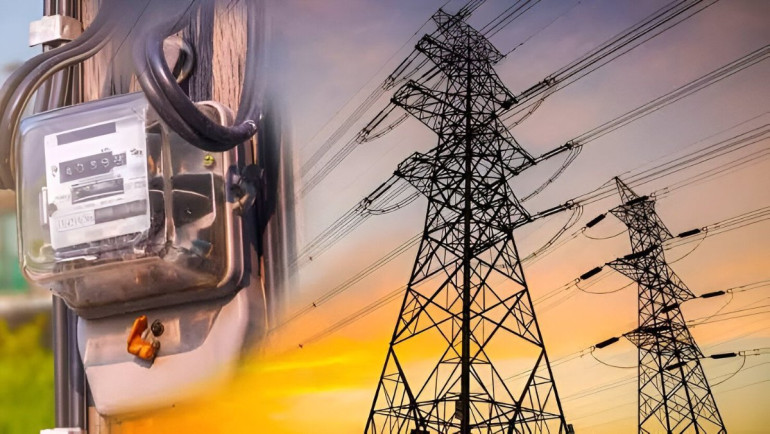
Electricity consumers across Maharashtra are set to see some relief in their monthly bills starting April 1, as major power distribution companies revise tariffs downward for the financial year 2026–27. The reductions follow regulatory directions issued by the Maharashtra Electricity Regulatory Commission, impacting utilities including BEST, Tata Power, Adani Electricity, and MSEDCL.
Among the providers, BEST is expected to offer the lowest tariffs for households with minimal electricity consumption, particularly in the 0–100 unit category where rates remain stable while other utilities have introduced moderate cuts. Across higher consumption slabs, marginal reductions have also been implemented, making electricity slightly more affordable for a wider range of users.
Other utilities such as Tata Power and Adani Electricity have introduced more noticeable tariff cuts across multiple slabs, especially for mid- and high-consumption categories. Meanwhile, Maharashtra State Electricity Distribution Company Limited has indicated a gradual reduction trend, with residential tariffs projected to decline each year until 2028–29, potentially resulting in cumulative savings of up to 16 percent.
In addition to tariff cuts, power companies are promoting time-of-day (ToD) pricing to help consumers further reduce their bills. Under this system, users—especially those with smart meters—can benefit from lower tariffs during non-peak hours, including a rebate of around 50 paise per unit for off-peak consumption.
Officials attribute the tariff reductions in part to increased procurement of solar power, which is helping lower overall generation costs. As renewable energy adoption rises, utilities are better positioned to pass on cost benefits to consumers while supporting long-term sustainability goals.
Overall, the revised tariff structure aims to balance affordability with efficiency, offering immediate relief to consumers while encouraging smarter electricity usage patterns across the state.
Related News
Delhi Needs Faster Rooftop Solar and Battery Storage…
Delhi will need to accelerate the deployment of rooftop solar, battery energy storage,…
NHPC Strengthens Clean Energy Portfolio with 40-Year…
NHPC Limited has signed a long-term Power Purchase Agreement (PPA) with Chhattisgarh…
REC Commits Rs 5,000 Crore to Boost Renewable Energy…
REC Ltd. has signed a Memorandum of Understanding (MoU) with the Tripura Renewable…