Follow India Renewable Energy News on WhatsApp for exclusive updates on clean energy news and insights
Supreme Court Allows Adani’s JAL Resolution Plan to Proceed, Rejects Vedanta’s Plea
Apr 07, 2026
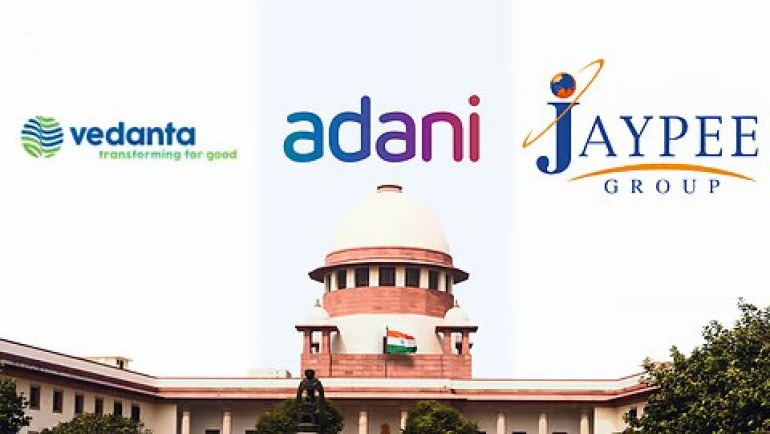
The Supreme Court of India has declined to halt the implementation of Adani Enterprises Limited’s resolution plan for Jaiprakash Associates Limited (JAL), dismissing a challenge raised by Vedanta Limited. The decision clears the way for the execution of the insolvency resolution plan approved earlier by lower tribunals.
A bench led by the Chief Justice chose not to interfere with prior rulings of the National Company Law Tribunal (NCLT) and the National Company Law Appellate Tribunal (NCLAT), both of which had endorsed Adani’s proposal. However, the apex court directed that any significant policy decisions related to the plan must receive prior approval from the appellate tribunal. It also asked NCLAT to fast-track the hearing of the matter, with the next hearing scheduled soon.
Vedanta, which had emerged as a competing bidder, argued that its offer was financially superior and alleged that the bidding process lacked transparency. The company claimed that lenders overlooked its higher bid in favor of Adani’s plan, raising concerns about value maximization under the insolvency framework.
The court also declined to stay the proposed delisting of JAL, noting submissions from the Committee of Creditors that any actions taken under the resolution plan would be reversible if the plan is ultimately set aside. Legal representatives for the creditors emphasized that the implementation process would be gradual, allowing room for corrective measures if required.
At the core of the dispute lies the interpretation of value assessment under India’s insolvency regime. While Vedanta maintains that its bid offered better returns, creditors have backed Adani’s plan, citing factors such as quicker upfront payments and overall execution feasibility.
The ruling ensures that the resolution process moves forward while keeping judicial oversight intact, as the appellate tribunal continues to examine the objections raised.