Follow India Renewable Energy News on WhatsApp for exclusive updates on clean energy news and insights
Supreme Court Upholds States’ Authority to Revoke Power Duty Exemptions
Mar 26, 2026
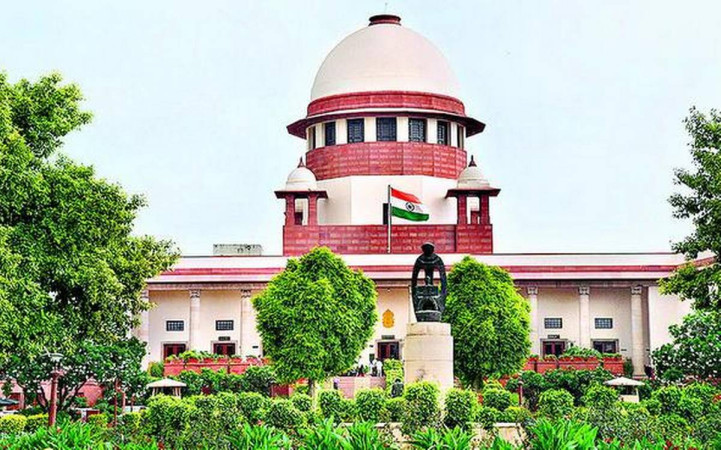
The Supreme Court of India has ruled in favour of state governments’ authority to withdraw or modify electricity duty exemptions, overturning earlier decisions by the Bombay High Court that had granted relief to industries for power generated through captive plants between 2000 and 2005.
The case stemmed from High Court rulings in 2009, which had struck down state notifications withdrawing duty exemptions and directed that industries—including Reliance Industries—be granted full relief for the disputed period. However, the apex court has now set aside those judgments, affirming that the Maharashtra government was within its legal rights to revise or cancel such exemptions under the relevant provisions of the Electricity Act.
In its decision, the court clarified that while states have the power to withdraw exemptions, such changes would take effect after a stipulated notice period. The ruling effectively recognises the flexibility of governments to adjust fiscal incentives in response to evolving policy and economic considerations.
The dispute traces back to Maharashtra’s 1993 industrial policy, which had offered electricity duty exemptions to encourage investment in captive power generation. Several companies established such facilities based on these incentives. However, the state later withdrew the benefit in 2000 and revised the applicable duty rates in 2001, prompting legal challenges from affected industries.
Companies had argued that the withdrawal violated the principle of promissory estoppel, claiming that investments were made in reliance on earlier assurances. While the High Court had accepted this argument and granted relief, the Supreme Court has now reversed that position, holding that policy changes and statutory powers allow the state to amend or rescind such benefits.
The ruling marks a significant development in the interpretation of fiscal and industrial policies, reinforcing the authority of state governments to recalibrate incentives while balancing legal and economic considerations.
Related News

Tamil Nadu Unveils Rs 1 Lakh Rooftop Solar Subsidy…
The Tamil Nadu Government has announced a new rooftop solar subsidy of up to Rs…

MERC Clears MSEDCL’s 2,269 MW Distributed Solar Procurement…
The Maharashtra Electricity Regulatory Commission (MERC) has approved the tariffs…
OERC Proposes New 10 MW Distributed Renewable Energy…
The Odisha Electricity Regulatory Commission (OERC) has proposed a new regulatory…