Follow India Renewable Energy News on WhatsApp for exclusive updates on clean energy news and insights
West Asia Sulphur Shortage Could Impact BHEL’s Boiler Production
Apr 02, 2026
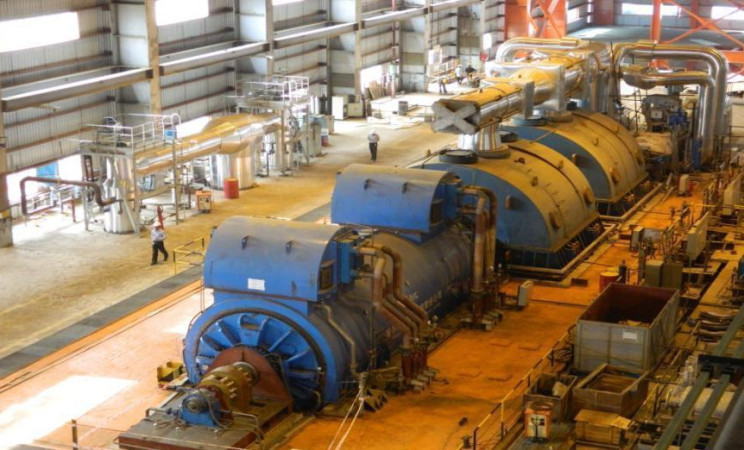
A supply crunch of sulphur, triggered by geopolitical tensions in West Asia and disruptions around the Strait of Hormuz, may affect boiler manufacturing at Bharat Heavy Electricals Limited (BHEL). This comes at a time when the state-run engineering firm is witnessing a surge in orders driven by renewed momentum in thermal power projects.
Sulphur plays a critical role in producing industrial gases and welding materials such as electrodes, fluxes, and filler wires—essential for high-temperature fabrication in boiler components. Due to the shortage, BHEL has reportedly started utilizing its reserve stock to manage immediate production needs, according to sources familiar with the situation.
The development is significant as thermal power projects account for nearly 70% of BHEL’s order book. The company secured orders worth over Rs 76,000 crore from thermal projects in FY25, with further growth expected as India plans to add substantial coal-based power capacity by 2032.
India relies heavily on imports to meet its sulphur demand, sourcing nearly 40% of its annual requirement of around 4 million tonnes from abroad. A large portion of these imports comes from West Asian nations such as the UAE, Qatar, Kuwait, and Oman. Any prolonged disruption in the region is likely to strain supply chains not only for power equipment manufacturers but also for industries dependent on sulphur-based products.
Experts highlight that the shortage is already affecting multiple sectors. Sulphur is a key input in the production of sulphuric acid, widely used in fertilizers, chemicals, metal processing, and battery manufacturing. Supply disruptions are beginning to push up costs and extend lead times, particularly impacting industries like automotive components and energy storage.
While some analysts believe that short-term disruptions may not significantly derail project timelines due to contingency measures, prolonged shortages could create operational challenges. Diversifying import sources and improving domestic production may become necessary if the geopolitical situation persists.
Overall, the sulphur supply issue underscores the vulnerability of critical industrial inputs to global disruptions, even as India accelerates its push for energy and infrastructure expansion.
Related News
EUROBOND Expands Captive Solar Capacity to 3.6 MW,…
Building materials manufacturer EUROBOND, the flagship brand of Euro Panel Products,…

Waaree Renewable Technologies Expands into New Zealand…
Waaree Renewable Technologies Limited (WRTL), the engineering, procurement and construction…
Tata Power Posts Rs 1,401 Crore Q1 FY27 Profit as…
Tata Power has reported a strong financial performance for the first quarter of…