Follow India Renewable Energy News on WhatsApp for exclusive updates on clean energy news and insights
Delhi’s Power Sector Transformation: From Heavy Losses to High Efficiency
Apr 10, 2026
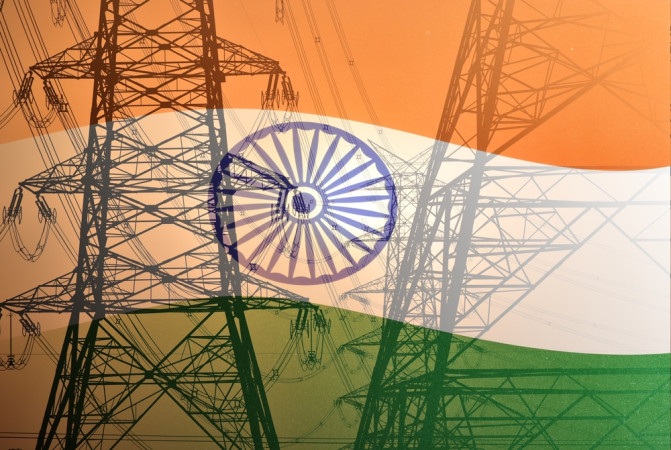
Technology-driven reforms and infrastructure upgrades fuel a two-decade turnaround. Once burdened by widespread power theft, weak infrastructure, and mounting financial losses, Delhi’s electricity distribution system has undergone a remarkable transformation over the past 20 years. Aggregate Technical and Commercial (AT&C) losses have sharply declined from over 50% in the early 2000s to nearly 6% today, positioning the capital as a national benchmark in distribution efficiency.
For context, AT&C losses represent the total gap between electricity supplied and revenue realised—covering both technical losses such as heat dissipation in wires and transformers, and commercial losses including theft, faulty metering, and unpaid bills. Even as Delhi has brought this figure down significantly, the national average remains higher, hovering above 10% in earlier years.
Electricity distribution in the capital is currently managed by BSES Rajdhani Power Limited, BSES Yamuna Power Limited, and Tata Power Delhi Distribution Limited. Their progress traces back to major sector reforms initiated in 2000–01. At the time, the state-run Delhi Vidyut Board was struggling with severe inefficiencies, frequent outages, and unsustainable losses.
A turning point came on July 1, 2002, when the government restructured and unbundled the utility, bringing in private players like BSES and Tata Power to manage distribution with a clear mandate to reduce losses. At the time of privatisation, AT&C losses stood above 30%, with some areas in East and Central Delhi reporting levels close to 60% due to rampant electricity theft and poor infrastructure.
The initial phase of reforms focused on strengthening the fundamentals. Ageing infrastructure was upgraded, old transmission lines and transformers were replaced, and the distribution network was reinforced. Mechanical meters were gradually phased out in favour of more accurate static meters, improving billing accuracy and reducing leakages. Billing systems were streamlined, and processes for new connections and grievance redressal were simplified, helping build consumer trust.
Over time, enforcement also became stricter. Inspection drives were intensified in high-loss areas, often with police support, while Resident Welfare Associations played a role in improving compliance. The establishment of special electricity courts enabled faster prosecution of theft cases, sending a strong deterrent message.
As the system matured, technology began to play a central role. Distribution companies adopted data analytics, feeder-level monitoring, and real-time tracking to identify high-loss pockets and irregular consumption patterns. Advanced tools such as artificial intelligence and SCADA systems improved operational efficiency through real-time monitoring, quicker fault detection, and better load management. Smart metering and digital platforms further enhanced transparency and data accuracy.
These combined efforts—spanning infrastructure upgrades, tighter enforcement, and technology adoption—have driven a steady decline in losses over the past decade. However, challenges remain. Certain areas, particularly unauthorised colonies and dense clusters, continue to report issues such as meter tampering, illegal connections, and resistance to enforcement efforts.
Despite these hurdles, Delhi’s journey demonstrates how sustained reforms, backed by technology and strong governance, can significantly improve efficiency in a complex urban power network.
Related News

International Solar Alliance Seeks Consultants to…
The International Solar Alliance (ISA) has invited bids from eligible consulting…
Hinduja Renewables Crosses 4 TWh Green Power Generation…
Hinduja Renewables Energy Private Limited (HREPL), the renewable energy arm of the…
Mahavitaran CMD Lokesh Chandra Honoured for Driving…
Lokesh Chandra, Chairman and Managing Director of Maharashtra State Electricity…