Follow India Renewable Energy News on WhatsApp for exclusive updates on clean energy news and insights
EAC-PM Calls for Rapid Energy Storage Expansion as India's Grid Enters New Phase of Renewable Integration
Jul 16, 2026
India's power sector is entering a new phase of the clean energy transition where the primary challenge is no longer adding renewable generation capacity but ensuring the electricity grid remains flexible enough to balance rapidly changing supply and demand. A new working paper released by the Economic Advisory Council to the Prime Minister (EAC-PM), titled "The Duck and The Camel: Tracing the Net Load on the Indian Power Grid," highlights that large-scale deployment of energy storage systems has become essential to maintain grid reliability as solar power assumes a larger share of India's electricity mix.
The report explains that the rapid expansion of solar energy has significantly altered the country's electricity demand profile. On May 21, 2026, India's electricity demand reached a record 270.8 GW at 3:45 PM, compared with 224.1 GW at 8:00 AM, requiring the grid to absorb an additional 46.7 GW within less than eight hours. Electricity prices on the Indian Energy Exchange (IEX) reflected this growing imbalance, with power prices dropping to INR 1.56 per unit during peak solar generation at 1:00 PM before surging to the market cap of INR 10 per unit by 6:30 PM after solar output declined and evening demand intensified.
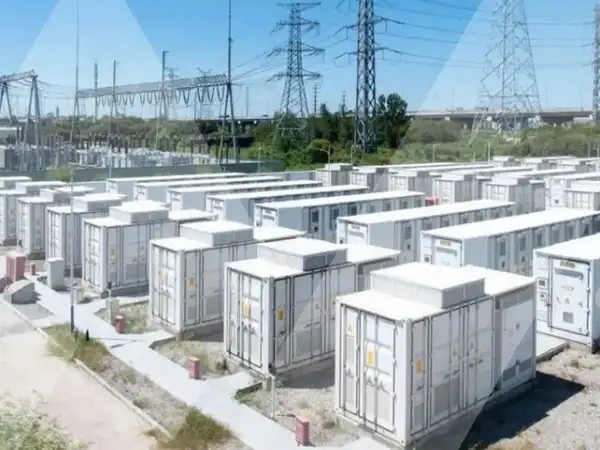
According to the study, these trends indicate that India's electricity system is increasingly constrained by grid flexibility rather than generation capacity. While solar plants generate abundant low-cost electricity during daylight hours, conventional thermal and hydro plants are required to rapidly reduce output during the day and then ramp up sharply after sunset to meet evening demand. The report identifies energy storage—including Battery Energy Storage Systems (BESS) and pumped-storage hydropower—as the most effective solution for storing surplus daytime solar generation and supplying electricity during evening peak hours.
The paper also introduces two distinct seasonal patterns in India's evolving net load curve. During summer, the country's demand profile resembles the globally recognised "duck curve," where high solar generation creates a deep midday dip in conventional power demand followed by a steep evening ramp. In winter, however, the report describes India's demand profile as a "double-humped Bactrian camel," with separate morning and evening demand peaks divided by a solar-driven midday trough. Based on high-frequency 15-minute grid data collected over multiple years, the study concludes that these patterns are becoming increasingly pronounced as renewable energy capacity expands.
The flexibility challenge has intensified significantly over the past three years. Between May 2023 and May 2026, the morning ramp-down in conventional generation increased from approximately 18 GW to 53 GW, while the evening ramp-up doubled from 36 GW to 74 GW. During winter, both the morning decline and evening rise in conventional generation reached nearly 64 GW, underscoring the growing operational demands placed on the national grid as renewable penetration increases.
Electricity market trends reinforce the need for storage infrastructure. Average daytime electricity prices declined sharply from INR 2.81 per unit in May 2023 to INR 1.11 per unit in May 2026 due to abundant solar generation, while average evening prices increased from INR 8.08 per unit to INR 9.71 per unit over the same period. The widening price gap highlights the increasing economic value of storing inexpensive daytime solar power and dispatching it during high-demand evening hours.
The report also raises concerns about rising renewable energy curtailment. During May 2026, nearly 24 GWh of solar electricity was curtailed every day, representing clean energy that could not be utilised because of insufficient grid flexibility and storage capacity. Meanwhile, electricity shortages were concentrated after sunset, with deficits recorded on 36 out of 61 days during evening and nighttime demand peaks between April and May 2026, compared with only six days during peak solar generation hours. These findings suggest that India's electricity shortages are increasingly linked to the timing of energy availability rather than an overall lack of generation.
Despite steady progress in developing storage infrastructure, the paper estimates that existing capacity remains well below future requirements. Flattening even half of a typical summer evening demand ramp would require approximately 130 GWh of energy storage discharge, whereas India's combined pumped-storage and battery fleet delivered only around 23.8 GWh per day during May 2026. While pumped-storage projects have advanced considerably, the report notes that battery storage deployment still lags behind national requirements despite installed Battery Energy Storage System (BESS) capacity reaching 2.7 GW.
The authors point to several policy initiatives that could accelerate India's transition towards a more flexible power system. Proposed reforms under the draft Electricity (Amendment) Bill, 2025 and the draft Electricity (Rights of Consumers) Amendment Rules, 2026 aim to formally recognise energy storage within the Electricity Act, strengthen competitive electricity markets through mechanisms such as contracts for difference, expand non-fossil purchase obligations, promote demand response programmes, implement time-of-day electricity tariffs, and encourage consumers to integrate battery storage with rooftop solar installations.
As India advances towards its target of 500 GW of non-fossil fuel-based installed power capacity by 2030 and pursues its broader net-zero ambitions, the EAC-PM concludes that investments in grid flexibility, battery storage, pumped hydro, and modern electricity market reforms will be just as important as adding new renewable energy capacity. Building a resilient and responsive power system, the report notes, will be essential for maximising the value of clean energy while ensuring reliable and affordable electricity for consumers.
Related News

NIT Rourkela Develops AI-Powered Smart Monitoring…
Researchers at the National Institute of Technology (NIT) Rourkela have developed…
INVT Electric India Unveils Advanced Industrial Automation…
INVT Electric India showcased its latest portfolio of industrial automation and…

Andhra Pradesh's Proposed ‘Deemed Distribution Licensee’…
The Andhra Pradesh Government's proposal to grant "deemed distribution licensee"…