Follow India Renewable Energy News on WhatsApp for exclusive updates on clean energy news and insights
Government Plans Alternative Power Sources to Meet Summer Peak Demand
Mar 14, 2026
The Government of India expects to manage the upcoming summer peak power demand without major supply disruptions, even though around 8–10 GW of gas-based power capacity may remain unavailable. Officials believe that new capacity additions and alternative energy sources will help meet electricity requirements during the high-demand period.
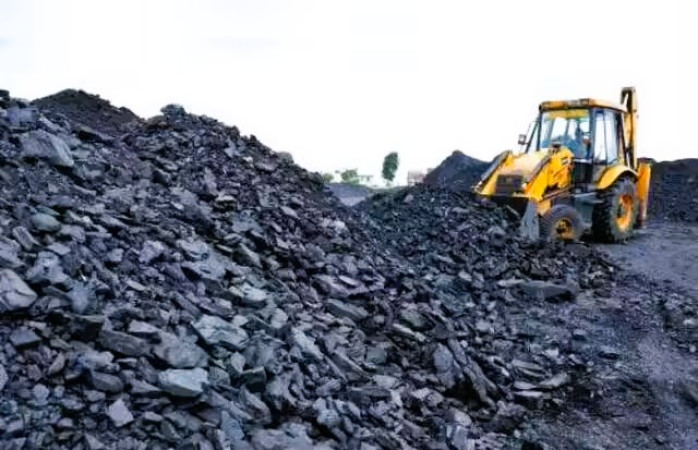
According to officials, India has added nearly 9 GW of coal-based power capacity during the current financial year up to January, with an additional 3 GW expected to be commissioned in the coming quarter. These additions are expected to play a key role in supporting electricity supply during peak demand.
The country has also expanded its renewable and clean energy capacity during the same period. Around 4.6 GW of wind energy, 3.3 GW of hydropower, and 700 MW of nuclear capacity were added this fiscal year. These resources are expected to help maintain supply, particularly during non-solar hours when demand remains high.
Government estimates suggest that peak power demand could reach about 271 GW this summer, compared with roughly 243 GW recorded last year. To help address demand fluctuations, about 2,500 MWh of new battery energy storage capacity is also expected to be commissioned in the upcoming quarter.
Gas-based power plants account for a relatively small share of India’s electricity generation mix but are important for providing flexible and quick ramp-up power during peak demand periods. These plants are often used during summer nights when electricity consumption remains high due to cooling requirements.
India currently has around 20 GW of installed gas-based generation capacity, but only about 8–10 GW is operational. Gas supply to power plants may become tighter as the government has directed the diversion of both imported and domestic gas from non-priority sectors to essential users such as households amid supply constraints linked to developments in the West Asian region.
The electricity supply situation is being closely monitored by the Central Electricity Authority and the Grid Controller of India, which provide demand projections and operational planning for the power sector.
Although electricity generated from gas-fired plants is generally more expensive than coal-based or renewable power, it is often used during periods of high demand. In recent years, the government has also directed gas-based power plants to maintain electricity generation during peak periods under provisions of the Electricity Act, 2003, which allows authorities to issue such instructions in extraordinary circumstances.
Related News
Delhi Needs Faster Rooftop Solar and Battery Storage…
Delhi will need to accelerate the deployment of rooftop solar, battery energy storage,…
NHPC Strengthens Clean Energy Portfolio with 40-Year…
NHPC Limited has signed a long-term Power Purchase Agreement (PPA) with Chhattisgarh…
REC Commits Rs 5,000 Crore to Boost Renewable Energy…
REC Ltd. has signed a Memorandum of Understanding (MoU) with the Tripura Renewable…