
Follow India Renewable Energy News on WhatsApp for exclusive updates on clean energy news and insights
Oyster Renewable and Jindal Stainless Progress 315.6 MW Hybrid Project to Drive Industrial Decarbonisation
Mar 27, 2026
Jindal Stainless Limited and Oyster Renewable Energy Pvt Ltd have announced the partial commissioning of a 315.6 MW solar-wind hybrid power project in Madhya Pradesh, marking a key step toward cleaner energy use in India’s industrial sector.
Developed with a total investment exceeding Rs 2,000 crore—including a committed Rs 132 crore contribution from Jindal Stainless—the project spans Madhya Pradesh and Gujarat. Around 216 MW of capacity is being developed in Madhya Pradesh, while an additional 99 MW will come up in Gujarat. The project is being commissioned in phases, beginning with the Madhya Pradesh site, followed by the Gujarat installation.
The hybrid facility combines bifacial solar modules with tracker systems and advanced 3.15 MW wind turbines in a co-located setup. This integrated approach allows for more balanced energy generation by leveraging both solar and wind resources, improving reliability and ensuring a steadier supply of renewable power for industrial operations.
The initiative is designed to support Jindal Stainless in reducing its carbon footprint while strengthening its clean energy portfolio. By integrating large-scale hybrid renewable solutions, the company aims to enhance energy resilience and reduce dependence on conventional power sources.
According to company officials, the project demonstrates the growing importance of hybrid renewable infrastructure in meeting the energy needs of power-intensive industries. It is also expected to significantly cut emissions, with an estimated reduction of around 6.5 lakh metric tonnes of carbon dioxide annually once fully operational.
Beyond environmental benefits, the project also focuses on local economic impact through workforce participation and community integration. As demand for reliable, round-the-clock clean energy continues to rise, such large-scale collaborations are expected to play a crucial role in accelerating industrial decarbonisation across India.
Related News
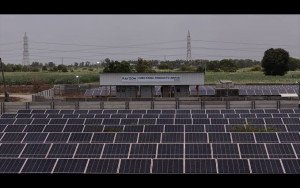
EUROBOND Expands Captive Solar Capacity to 3.6 MW,…
Building materials manufacturer EUROBOND, the flagship brand of Euro Panel Products,…

Waaree Renewable Technologies Expands into New Zealand…
Waaree Renewable Technologies Limited (WRTL), the engineering, procurement and construction…

Tata Power Posts Rs 1,401 Crore Q1 FY27 Profit as…
Tata Power has reported a strong financial performance for the first quarter of…