Follow India Renewable Energy News on WhatsApp for exclusive updates on clean energy news and insights
Rajasthan High Court Bars Retrospective Withdrawal of Solar Duty Benefits
Apr 10, 2026
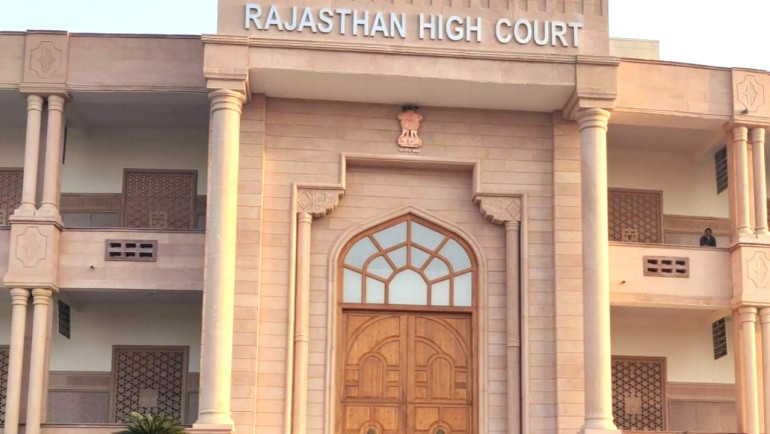
Captive solar projects commissioned before May 10, 2022, will continue to receive electricity duty exemptions, the court clarified. In a major boost to investor confidence in India’s renewable energy sector, the Rajasthan High Court has ruled that the state government cannot retrospectively withdraw electricity duty exemptions promised under its Solar Policy 2019.
The court observed that while governments are empowered to revise policies, such changes cannot take effect retrospectively to strip investors of benefits that have already accrued. It emphasized that the policy itself constituted a clear assurance, and not merely a conditional promise dependent on separate statutory notifications.
Calling the withdrawal of duty exemptions arbitrary, the court held that such action violated Article 14 of the Constitution of India, which guarantees equality before the law. It further noted that no compelling public interest was demonstrated to justify the rollback.
The ruling directs that captive solar projects commissioned before the May 2022 amendment remain eligible for the originally promised seven-year exemption from electricity duty. However, any changes introduced after that date will apply only to future projects. Authorities have been instructed to verify the commissioning dates before extending benefits.
Background
Under the Solar Policy 2019, the Rajasthan government had offered a seven-year electricity duty exemption to encourage investments in captive solar projects. Acting on this assurance, companies—including UltraTech Cement—invested significantly in solar installations to power their operations.
However, a policy amendment in May 2022 made these exemptions contingent upon separate statutory notifications, effectively nullifying the earlier benefit. Following this change, distribution companies began issuing electricity duty bills for solar-generated power.
Challenging the move, UltraTech Cement argued that the policy shift was arbitrary and undermined legitimate expectations, especially after investments had already been made based on the government’s initial promise.
Court’s Observations
The High Court noted that the Solar Policy 2019 contained a clear and unambiguous representation aimed at attracting private investment. It stressed that such policy assurances can create binding obligations when they influence financial decisions.
Rejecting the state’s argument that exemptions required formal statutory backing under the Rajasthan Electricity (Duty) Act, 1962, the court ruled that the policy itself implied that such powers would be exercised in favor of eligible projects.
The court also highlighted that retrospective policy changes cannot override vested rights. While governments may revise or withdraw incentives, such decisions must operate prospectively and be backed by strong public interest considerations.
It further pointed out that Rajasthan’s solar capacity targets remain unmet, and withdrawing incentives at this stage could be counterproductive to the state’s renewable energy goals.
Related News

Tamil Nadu Unveils Rs 1 Lakh Rooftop Solar Subsidy…
The Tamil Nadu Government has announced a new rooftop solar subsidy of up to Rs…

MERC Clears MSEDCL’s 2,269 MW Distributed Solar Procurement…
The Maharashtra Electricity Regulatory Commission (MERC) has approved the tariffs…

OERC Proposes New 10 MW Distributed Renewable Energy…
The Odisha Electricity Regulatory Commission (OERC) has proposed a new regulatory…