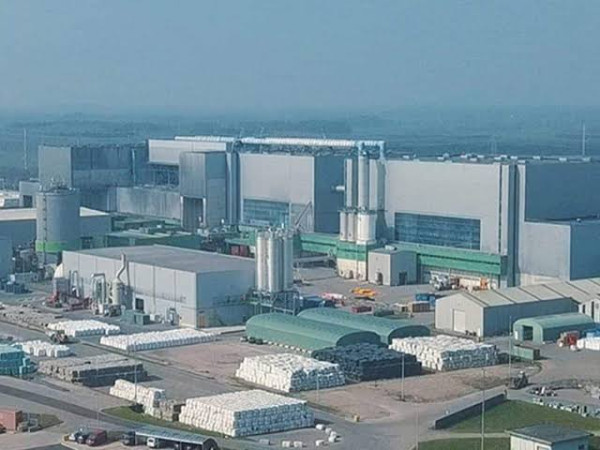
Follow India Renewable Energy News on WhatsApp for exclusive updates on clean energy news and insights
Attero Completes ISO-Compliant Life Cycle Assessment to Validate Environmental Benefits of Recycled Critical Metals
Jul 21, 2026
Critical minerals and e-waste recycling company Attero has completed an independently verified Life Cycle Assessment (LCA) for metals recovered through its electronic waste and lithium-ion battery recycling operations, marking a significant milestone in advancing transparency and sustainability in the circular economy. The assessment has been conducted in accordance with ISO 14040:2021 and ISO 14044:2021 standards, providing scientifically validated environmental performance data for recycled metals produced through the company's urban mining processes.
The verified assessment enables Attero to offer customers product-specific environmental metrics, allowing manufacturers, industrial users, and supply chain partners to compare the environmental impact of recycled metals with those obtained through conventional mining. As industries worldwide intensify efforts to reduce carbon emissions, improve environmental, social and governance (ESG) performance, and strengthen responsible sourcing practices, access to independently verified sustainability data is becoming increasingly important for procurement and compliance decisions.
Life Cycle Assessment is recognised globally as one of the most comprehensive methodologies for measuring a product's environmental footprint across its entire value chain. Attero's assessment evaluates the environmental impact of recovering aluminium, copper, iron, zinc, tin, silver, and gold from discarded electronics and end-of-life lithium-ion batteries. The study measures multiple sustainability indicators, including greenhouse gas emissions, resource depletion, fossil fuel consumption, acidification, eutrophication, ecotoxicity, and human toxicity, providing an objective comparison between recycled materials and virgin metals extracted through traditional mining.
The company stated that the verified environmental data can support organisations in meeting a wide range of sustainability and regulatory requirements, including Scope 3 emissions accounting, ESG reporting, green procurement initiatives, Product Environmental Declarations (EPDs), and broader corporate sustainability disclosures. As governments, investors, and multinational companies increasingly demand measurable environmental performance across supply chains, independently validated lifecycle data is expected to become a key differentiator for recycled materials.
Attero has established itself as one of India's leading urban mining companies through sustained investments in advanced recycling technologies and process innovation. The company holds more than 50 global patents and has developed proprietary technologies for recovering valuable metals and critical minerals from complex waste streams, including lithium-ion batteries and electronic waste. According to the company, its recycling processes achieve up to 98 percent material recovery efficiency with purity levels exceeding 99.9 percent, enabling the recovery of strategic materials such as lithium, cobalt, nickel, graphite, copper, gold, and silver that are essential for electric vehicles, battery manufacturing, renewable energy systems, and electronics production.
The achievement comes at a time when demand for critical minerals is rising rapidly due to the global transition towards electric mobility, renewable energy, and energy storage technologies. Urban mining—the recovery of valuable materials from discarded products—is increasingly being recognised as a sustainable alternative to conventional mining, helping reduce environmental impacts, conserve natural resources, minimise landfill waste, and strengthen domestic supply chains for critical raw materials.
By completing an ISO-verified Life Cycle Assessment, Attero has reinforced the role of scientifically validated environmental data in promoting circular economy practices. The milestone not only enhances confidence in recycled materials but also supports India's broader ambitions of building a resource-efficient manufacturing ecosystem, reducing dependence on imported critical minerals, and advancing sustainable industrial growth through responsible recycling and material recovery.
Related News
NIT Rourkela Develops AI-Powered Smart Monitoring…
Researchers at the National Institute of Technology (NIT) Rourkela have developed…
INVT Electric India Unveils Advanced Industrial Automation…
INVT Electric India showcased its latest portfolio of industrial automation and…
Andhra Pradesh's Proposed ‘Deemed Distribution Licensee’…
The Andhra Pradesh Government's proposal to grant "deemed distribution licensee"…