Follow India Renewable Energy News on WhatsApp for exclusive updates on clean energy news and insights
Electric Vehicles: Pioneering Energy Storage and Grid Stability in India's Renewable Revolution
Dec 27, 2024
Energy Storage Requirements:
The transition to renewable energy necessitates approximately 411 GWh of energy storage, including 236 GWh from Battery Energy Storage Systems (BESS). This storage capacity is crucial to managing the variability and intermittency of renewable energy sources and providing backup power during demand surges or outages.Electric Vehicles: A Game-Changer:
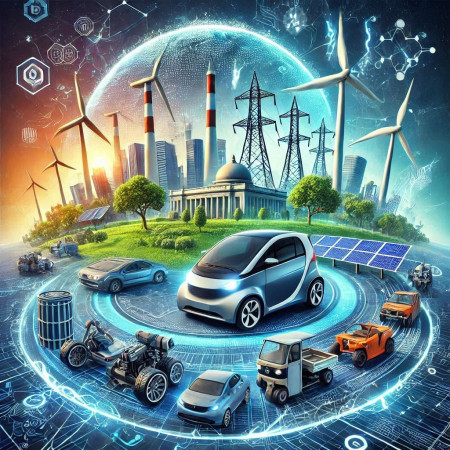
With over 4.57 million Electric Vehicles (EVs) already on Indian roads, their potential to serve as decentralized energy storage units is immense. Each EV, equipped with an average battery capacity of 30 kWh, could collectively contribute 137.1 GWh of energy storage. As the country targets 100 million EVs by 2030, their aggregated storage capacity could play a pivotal role in bridging the energy storage gap.Vehicle-to-Grid (V2G) Technology:
Integrating EVs with the grid through Vehicle-to-Grid (V2G) technology presents numerous benefits:
- Grid Stability: EV batteries can store surplus renewable energy during low-demand periods and discharge it during peak demand.
- Backup Power: EVs can act as mobile power units during outages, especially in remote or underserved regions.
- Enhanced Renewable Integration: By mitigating intermittency, V2G supports the seamless integration of solar and wind energy into the grid.
Policy Interventions Needed
To fully realize the potential of V2G systems, robust policy support and infrastructure development are essential. Key measures include:
- Mandatory V2G Compatibility: Ensuring all EVs and charging stations support bi-directional energy flow.
- Incentives for Charging Infrastructure: Providing financial incentives to develop and upgrade charging points with V2G capabilities.
- Standardization and Regulation: Establishing a uniform framework to ensure interoperability and seamless grid integration across the country.
- Dynamic Tariff Mechanisms: Encouraging EV owners to participate in grid services through time-of-use pricing and compensation for energy discharge.
A Decentralized Energy Future
By leveraging EVs as mobile energy reservoirs, India can reduce reliance on centralized storage systems and alleviate grid strain. This decentralized approach aligns with the country’s renewable energy goals, offering solutions for backup power, grid stability, and energy access.
Collaborative Efforts for a Clean Energy Future
The successful integration of EVs into the energy ecosystem requires coordinated efforts from policymakers, manufacturers, and stakeholders. By transforming EVs into a cornerstone of the energy system, India can pave the way for a resilient and sustainable future, supporting its clean energy ambitions and ensuring energy security for all.
Related News
Rajasthan, Gujarat and Arunachal Pradesh Face Highest…
India's renewable energy expansion could face significant challenges from climate…
Solar Power Emerges as a Dominant Force in Meeting…
Solar energy, when paired with battery storage, is now capable of meeting up to…

ROQIT and Indian Railways Join Forces to Advance Sustainable…
ROQIT has entered into a strategic partnership with Indian Railways to roll out…