Follow India Renewable Energy News on WhatsApp for exclusive updates on clean energy news and insights
The Global Energy Transformation: Accelerating the Transition
Feb 11, 2025
The World at a Defining Moment in Energy Transition. The shift from fossil fuels to clean energy is no longer a distant vision—it is happening now. Renewable technologies, energy storage advancements, hydrogen fuels, data-driven innovations, and sustainable water solutions are driving a fundamental change in how we produce, distribute, and consume energy. Each of these pillars is reshaping the future, making energy more accessible, efficient, and environmentally friendly.
The Rise of Renewable Energy
Solar and wind power have become the backbone of the energy transition. In the past decade, the cost of solar energy has fallen by over 80%, while wind energy has seen a similar trajectory. Governments and corporations worldwide are rapidly scaling up renewable capacity to meet sustainability goals. India, for example, has surpassed 100 GW of installed solar capacity and is aiming for 500 GW of non-fossil fuel capacity by 2030. The combination of ambitious policies, technological advancements, and financial innovation is making renewable energy the dominant source of new power generation globally.
Energy Storage: The Game-Changer
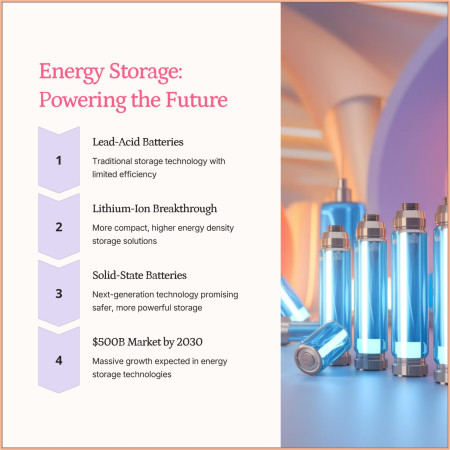
One of the biggest challenges with renewable energy has been its intermittent nature. However, energy storage solutions, particularly battery technologies, are transforming the landscape. Lithium-ion batteries have become more affordable and efficient, while newer technologies such as sodium-ion and solid-state batteries promise even better performance. Large-scale battery storage projects are enabling round-the-clock renewable energy supply, reducing reliance on fossil-fuel-based backup power.
In addition to batteries, pumped hydro storage and green hydrogen are emerging as critical solutions for long-duration energy storage. Countries like Germany, Japan, and India are investing heavily in hydrogen production and storage infrastructure to ensure a stable and sustainable energy future.
Hydrogen: The Fuel of the Future
Green hydrogen is set to play a crucial role in decarbonizing industries that are hard to electrify, such as steel, cement, and heavy transport. With the launch of initiatives like India’s Rs19,700 crore National Green Hydrogen Mission, countries are positioning themselves as leaders in the hydrogen economy. The falling cost of electrolyzers and the expansion of renewable energy will make green hydrogen increasingly competitive against fossil fuels.
The Role of Data and Digitalization
Advanced data analytics, artificial intelligence (AI), and smart grids are revolutionizing the energy sector. Predictive analytics help optimize energy generation, improve grid stability, and enhance energy efficiency. Digital platforms enable real-time monitoring of renewable assets, reducing downtime and maintenance costs. With the integration of blockchain technology, peer-to-peer energy trading and decentralized energy markets are becoming a reality.
A Collaborative Future
The transition to a clean energy future requires collaboration between governments, businesses, and consumers. Policymakers must provide stable regulations and incentives, industries must invest in innovation, and individuals must adopt sustainable practices. The question is no longer "if" but "how quickly" we can achieve a fully decarbonized energy system.
As the global energy transformation accelerates, strategic investments and technological advancements will drive a sustainable and resilient future. The time to act is now—together, we can build a cleaner, greener world.
Related News
Rajasthan, Gujarat and Arunachal Pradesh Face Highest…
India's renewable energy expansion could face significant challenges from climate…
Solar Power Emerges as a Dominant Force in Meeting…
Solar energy, when paired with battery storage, is now capable of meeting up to…
ROQIT and Indian Railways Join Forces to Advance Sustainable…
ROQIT has entered into a strategic partnership with Indian Railways to roll out…