Follow India Renewable Energy News on WhatsApp for exclusive updates on clean energy news and insights
The Yarlung Tsangpo Hydroelectric Project: A Giant Leap for Clean Energy or a Source of Geopolitical Tension?
Jan 07, 2025
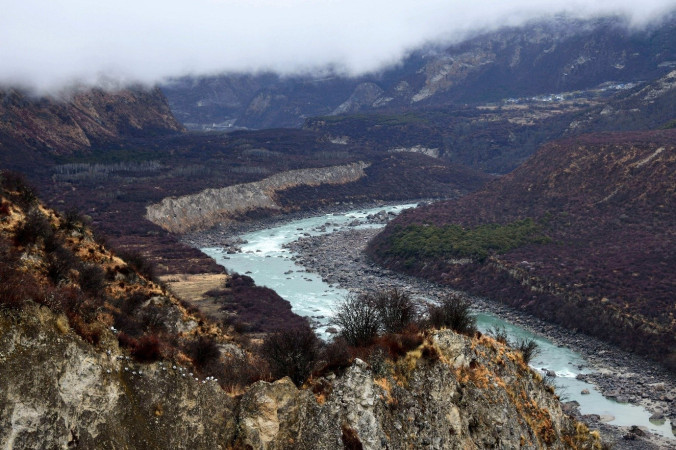
China is poised to embark on an ambitious hydroelectric project: the Yarlung Tsangpo Hydroelectric Project. Planned on the Yarlung Tsangpo River in Tibet, this project aims to become the world's largest hydropower dam, dwarfing even the Three Gorges Dam in terms of electricity generation. With a projected annual output of nearly 300 TWh, it promises to be a significant leap forward in China's renewable energy ambitions.
A Monumental Engineering Feat
The project capitalizes on the river's dramatic descent, particularly a 50-kilometer stretch near Namcha Barwa mountain where it drops a staggering 2,000 meters. This unique topography allows for the construction of massive dams and power plants, harnessing the immense energy of the flowing water.
However, the project has sparked considerable controversy.
Controversial Aspects:
- Downstream Impacts: The Yarlung Tsangpo River flows into India as the Brahmaputra, a vital water source for millions of people. Concerns have been raised about the potential impact of the dam on downstream water flow, particularly during critical periods like the monsoon season.
- Environmental Concerns: The project raises concerns about the potential ecological impact on the river's ecosystem, including disruption to aquatic life and potential for seismic activity in the earthquake-prone region.
- Geopolitical Tensions: The project's location near the Indian border adds a layer of geopolitical complexity. Concerns about water security and potential for conflict between China and India have been raised.
A Balancing Act
The Yarlung Tsangpo Hydroelectric Project presents a unique set of challenges and opportunities. While it offers the potential for significant clean energy generation and economic development, it also necessitates careful consideration of environmental and geopolitical concerns.
- The Need for Collaboration: Open and transparent communication between China and downstream countries is crucial to address concerns and build trust.
- Prioritizing Environmental Impact Assessment: A thorough and independent environmental impact assessment is essential to evaluate potential risks and mitigate potential harm.
- Focus on Sustainable Development: The project should prioritize sustainable development principles, including minimizing environmental impact, ensuring social equity, and promoting regional cooperation.
The Yarlung Tsangpo Hydroelectric Project is a complex undertaking with far-reaching implications. It serves as a reminder of the critical need to balance the pursuit of clean energy with environmental protection and regional cooperation. The success of this project will depend on careful planning, transparent communication, and a commitment to sustainable development principles.
Related News
Rajasthan, Gujarat and Arunachal Pradesh Face Highest…
India's renewable energy expansion could face significant challenges from climate…

Solar Power Emerges as a Dominant Force in Meeting…
Solar energy, when paired with battery storage, is now capable of meeting up to…

ROQIT and Indian Railways Join Forces to Advance Sustainable…
ROQIT has entered into a strategic partnership with Indian Railways to roll out…