Follow India Renewable Energy News on WhatsApp for exclusive updates on clean energy news and insights
Hitachi Energy Wins 165 MW/330 MWh Battery Storage Project, Marking Entry into India's Expanding BESS Market
Jul 16, 2026
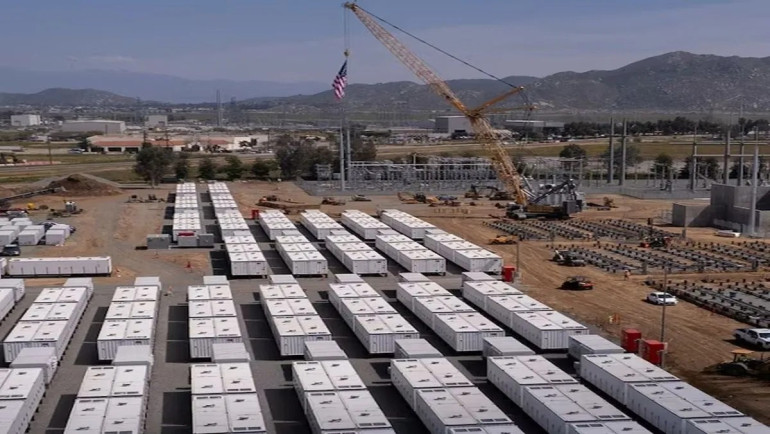
Hitachi Energy has secured its first Battery Energy Storage System (BESS) project in India, winning a 165 MW/330 MWh installation in Andhra Pradesh. The milestone marks the company's formal entry into India's rapidly growing energy storage sector and strengthens its position in delivering advanced grid integration and clean energy solutions as the country accelerates renewable energy deployment.
The project will deploy a utility-scale battery energy storage system capable of storing electricity generated during periods of surplus renewable energy and discharging it during peak demand or grid contingencies. With an energy storage capacity of 330 MWh, the system is designed to enhance grid stability, improve operational flexibility, support frequency regulation, and facilitate the integration of variable renewable energy sources such as solar and wind into the electricity network.
Announcing the development, Ramkumar D, Senior Vice President, Hitachi Energy India, said the order reflects growing customer confidence in the company's engineering expertise and project execution capabilities. He noted that the project reinforces Hitachi Energy's role in supporting large-scale renewable energy integration while positioning the company to capture emerging opportunities in India's evolving energy storage market. According to the company, the project also aligns with its broader sustainability and decarbonisation strategy by enabling a more resilient and flexible electricity grid.
Battery Energy Storage Systems are increasingly becoming a cornerstone of India's clean energy transition. As renewable energy generation continues to rise, storage systems help address the intermittency of solar and wind power by storing excess electricity during periods of high generation and supplying it when renewable output declines or electricity demand peaks. In addition to improving grid reliability, BESS projects reduce renewable energy curtailment, defer costly transmission upgrades, provide ancillary grid services, and enhance the resilience of power systems.
The project comes amid a sharp increase in energy storage investments across India, driven by the country's target of achieving 500 GW of non-fossil fuel-based installed power capacity by 2030. Central and state agencies are increasingly procuring standalone and hybrid battery storage projects to support renewable energy integration, improve grid flexibility, and ensure reliable power supply during peak demand periods. Recent policy initiatives and competitive bidding programmes have further accelerated the deployment of utility-scale battery storage across multiple states.
The Andhra Pradesh project also complements Hitachi Energy's broader expansion plans in India. Earlier this month, the company signed a Memorandum of Understanding (MoU) with the Government of Tamil Nadu to invest INR 1,000 crore over the next three to five years to expand its technology and manufacturing operations in the state. In addition, the company recently announced an investment of approximately INR 2,000 crore to establish a new large power transformer manufacturing facility at Karjan, Vadodara, with commissioning targeted for FY2028.
These investments underscore Hitachi Energy's long-term commitment to India's power infrastructure modernisation and energy transition. By expanding its manufacturing footprint alongside advanced grid technologies such as battery energy storage, the company is positioning itself to support the country's growing demand for reliable, digitally enabled, and low-carbon electricity infrastructure.
With utility-scale energy storage expected to become an integral component of India's future power system, Hitachi Energy's first BESS project represents an important strategic milestone that strengthens its presence in one of the world's fastest-growing clean energy markets while contributing to the development of a more flexible, resilient, and sustainable electricity grid.
Related News
Kalpa Power Secures 100 MWh BESS Manufacturing Capacity…
Energy management company Kalpa Power has signed a Memorandum of Understanding (MoU)…
Government Opens Global Bidding for 10 GWh ACC Battery…
The Ministry of Heavy Industries (MHI) has invited global bids for the establishment…
Hitachi Energy Wins 165 MW/330 MWh Battery Storage…
Hitachi Energy has secured its first Battery Energy Storage System (BESS)…